

Quick answer
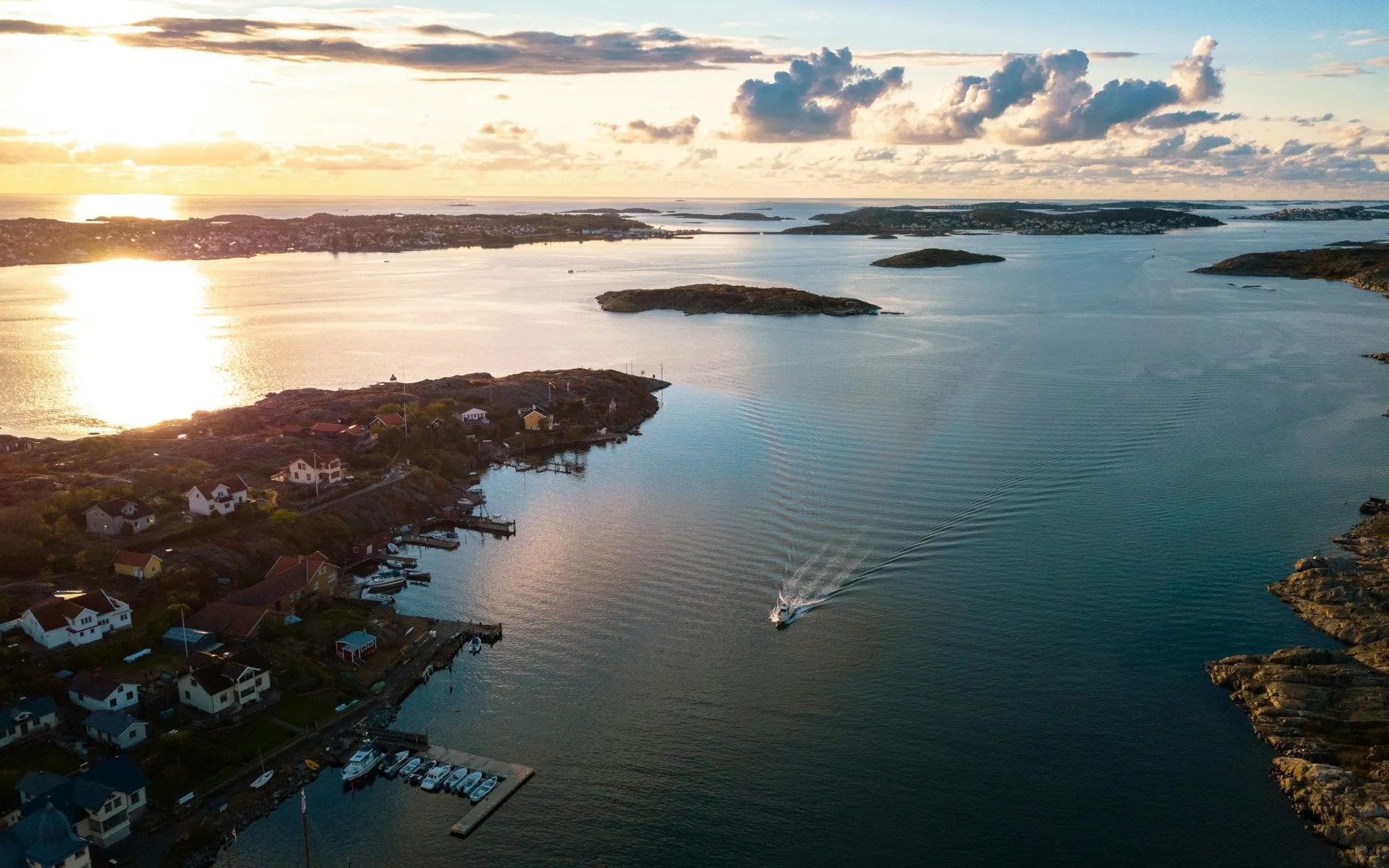
The Stockholm Archipelago offers island-hopping via public Waxholmsbolaget ferries to inhabited islands like Vaxholm, Grinda, and Sandhamn, plus kayaking along 30,000 islands and skerries. Hiking trails cross nature reserves on Möja, Utö, and Finnhamn, while historic wooden villages and summer cottages define the inner archipelago. Access is free year-round, with peak activity from May through September when daylight extends past 21:00 and water temperatures reach 18°C.
The archipelago operates on two seasonal rhythms: the outer islands remain wild and sparsely visited outside summer, while the inner islands near Stockholm maintain year-round ferry connections and permanent populations. Vaxholm, 30 kilometers from the city center, functions as the archipelago's de facto gateway, reachable by ferry in 75 minutes or bus in 45 minutes. Its 19th-century fortress and harborfront timber houses represent the architectural vernacular repeated across dozens of smaller islands. Kayaking the archipelago demands route planning around weather windows and tidal currents that funnel between narrow straits. The Swedish Right of Public Access (Allemansrätten) permits wild camping on most uninhabited islands for one night, provided tents are pitched at least 70 meters from private dwellings and no trace is left behind. Rental outfitters in Vaxholm, Stavsnäs, and Dalarö provide single and tandem sea kayaks, with guided multi-day expeditions departing weekly from June through August. Paddlers targeting the outer archipelago should carry VHF radios and check SMHI marine forecasts, as conditions shift rapidly beyond the shelter of the inner islands. Hiking infrastructure varies by island ownership. Nature reserves administered by Skärgårdsstiftelsen (the Archipelago Foundation) maintain marked trails on Möja, Nämdö, and Utö, with red-painted wooden trail markers and primitive campsites. Finnhamn hosts 15 kilometers of loop trails crossing rocky headlands and coastal pine forest, accessible via a 90-minute ferry from Stavsnäs. The trails require no technical skill but reward early starts—summer weekends bring day-trippers who fill the narrow paths by midday. Utö, the southernmost inhabited island with regular ferry service, combines mining history with shoreline trails past iron ore pits worked from the 12th century through 1879. Sandhamn, positioned at the archipelago's outer edge, serves as the traditional turnaround point for recreational sailors and hosts the Royal Swedish Yacht Club's regatta week each June. Its boardwalk lanes and boutique harbor contrast with working fishing villages like Möja, where red storage barns outnumber shops and ferry schedules dictate daily rhythms. Inter-island ferries operated by Waxholmsbolaget accept the SL Access card used on Stockholm's metro and buses, making multi-island routes economical for travelers holding weekly transit passes. Routes to outer islands like Sandhamn and Utö require advance booking during July, when seat availability drops below 30 percent on weekend departures.
“The Swedish Right of Public Access permits wild camping on most uninhabited islands for one night, provided tents are pitched at least 70 meters from private dwellings and no trace is left behind.”
The Best Time for What to Do in Stockholm Archipelago
The period from May through August offers the most reliable conditions for island exploration, prioritizing the best arrival window of 08:00–18:00 for optimal daylight. Visiting during shoulder months provides quieter transit experiences while still allowing for sufficient ferry service and exploration time.
Summer (June–August)
High; busy ferry routes.Warm, 15°C to 25°C. Long days.
Shoulder (May, September)
Moderate; calm atmosphere.Cooler, 10°C to 18°C. Variable conditions.
Weekday mornings
Low; quiet transit.—; Ideal for maximizing daylight before the 18:00 cutoff.
Verdict: For the most balanced experience, aim for weekday travel between 08:00 and 18:00 during the months of May or September.
How to Travel and What to Do in Stockholm Archipelago
The Stockholm Archipelago consists of over 30,000 islands and skerries accessible primarily by public and private ferry networks. Most travelers begin their journey from central Stockholm hubs such as Strömkajen or Nybrokajen.
Waxholmsbolaget ferry from Strömkajen
Cinderella Boats from Strandvägen
SL bus to Vaxholm harbor
SL Metro to Slussen or T-Centralen
Operational Hours for What to Do in Stockholm Archipelago
The Stockholm Archipelago is accessible at all times, as the area comprises public land and waterways open throughout the year. Please note that individual businesses, museums, and transport services operate on their own specific schedules.
| Monday | 00:00–23:59 | |
|---|---|---|
| Tuesday | 00:00–23:59 | |
| Wednesday | 00:00–23:59 | |
| Thursday | 00:00–23:59 | |
| Friday | 00:00–23:59 | |
| Saturday | 00:00–23:59 | |
| Sunday | 00:00–23:59 |
Named Sites and What to Do in Stockholm Archipelago
The Stockholm Archipelago consists of over 30,000 islands, each offering unique landscapes and cultural heritage. From bustling historical maritime hubs to quiet nature reserves, these locations provide diverse opportunities for exploration.
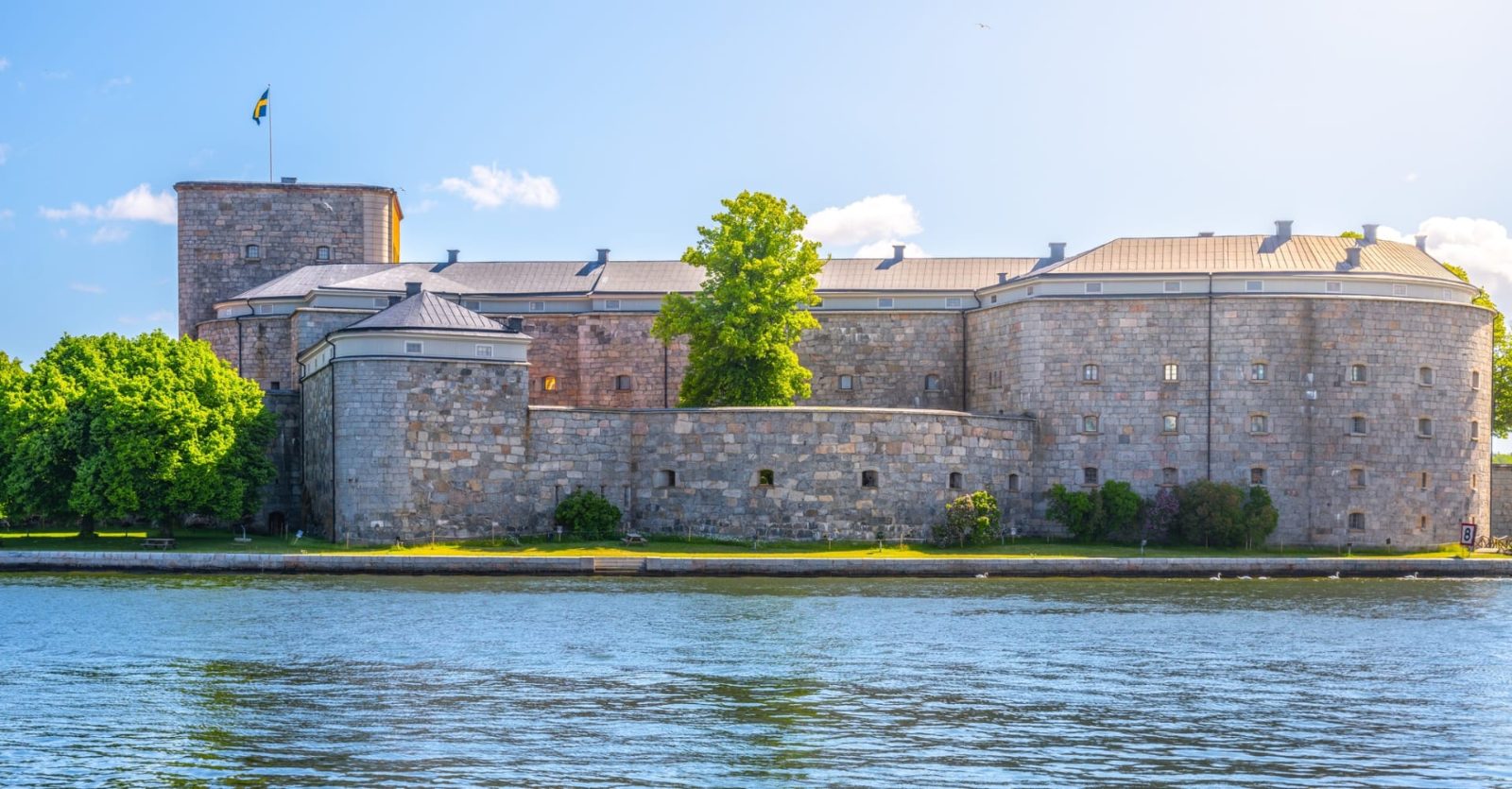
Vaxholm
Known as the gateway to the archipelago, this island features a historic fortress and 19th-century wooden houses. Visitors can walk through the town center and explore the regional museum located within the citadel.
Visit the fortress courtyard early to avoid the midday ferry crowds.
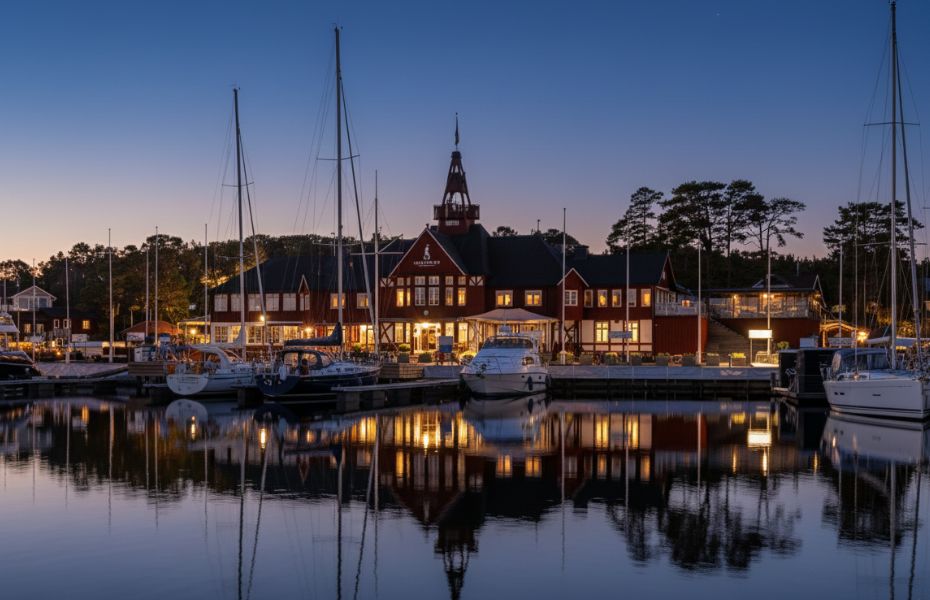
Sandhamn
This island is a renowned sailing destination located in the outer archipelago, featuring a busy harbor and sandy beaches. It serves as a central hub for boaters and offers trails through pine forests.
Walk the coastal paths toward Trouville beach for quiet sea views.
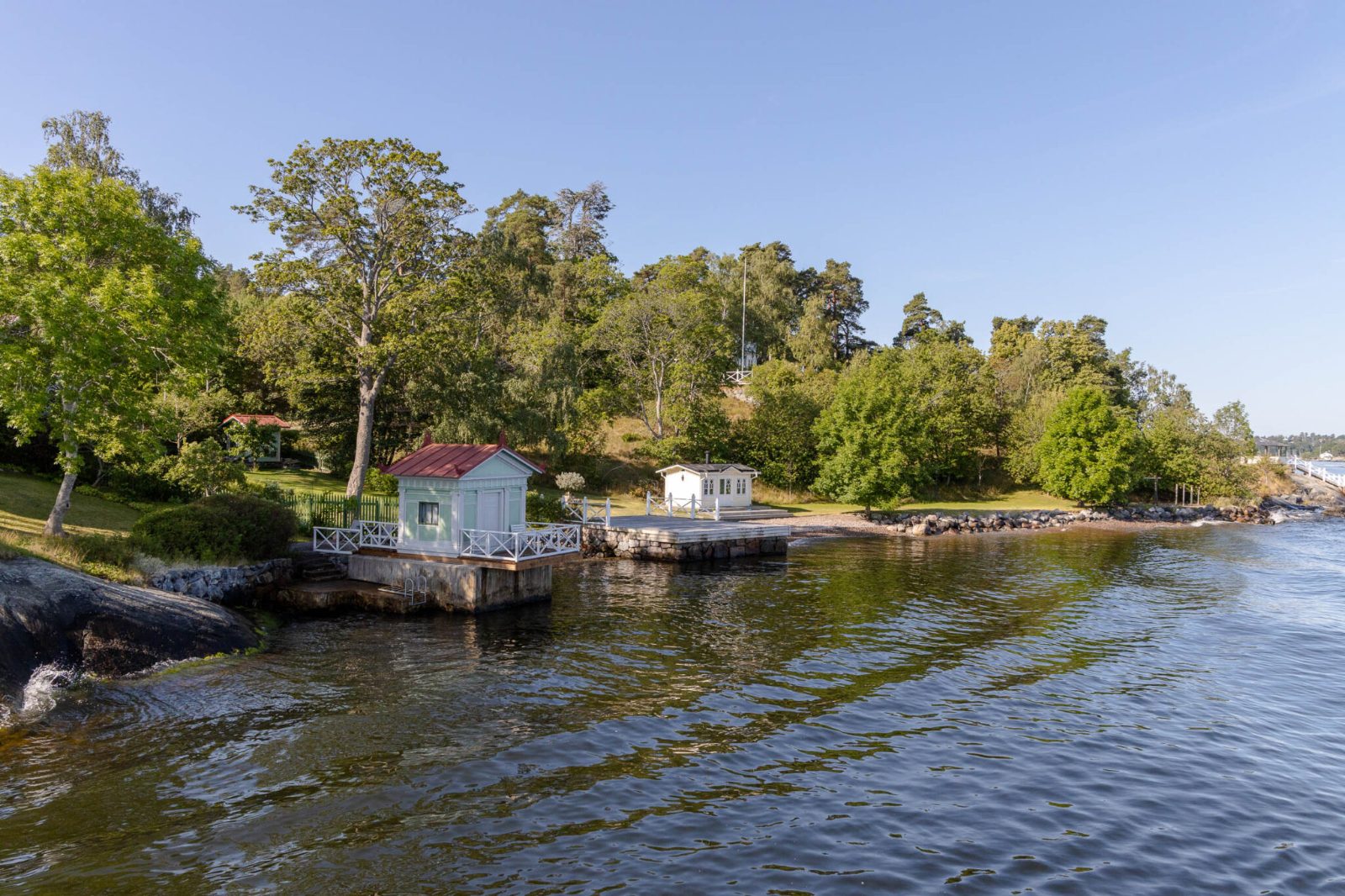
Grinda
An island preserved as a nature reserve, Grinda is characterized by its agricultural landscape, meadows, and rocky shorelines. It provides spaces for hiking, swimming, and camping.
Follow the southern trail to find secluded swimming rocks by sunset.
Utö
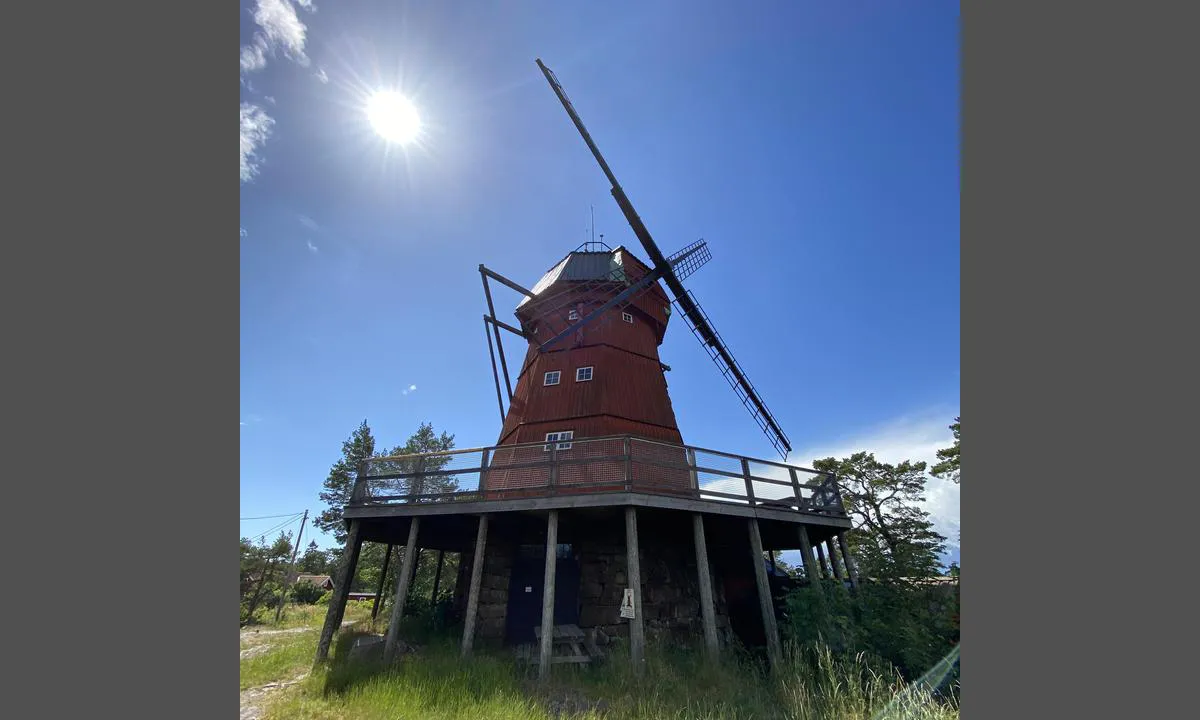
Located in the southern part of the archipelago, this island has a history tied to mining and maritime trade. It offers rental bicycles for exploring its varied terrain and old village structures.
Rent a bicycle to reach the northern windmill for island views.
Conduct Rules for What to Do in Stockholm Archipelago
Sweden's Right of Public Access (Allemansrätten) grants freedom to roam the archipelago, balanced by responsibility to protect nature and respect private property. Follow these guidelines to preserve the islands for future visitors.
Do
- Camp one night on unfenced land away from homes
- Take all litter with you when leaving
- Use designated fireplaces and extinguish fires completely
- Keep dogs leashed near wildlife and nesting areas
- Respect private jetties and marked boundaries
- Leave natural materials and wildlife undisturbed
Don't
- Don't pick flowers, berries, or mushrooms on private land
- Don't camp within sight of houses or cultivated gardens
- Don't light fires on bare rock or during dry periods
- Don't disturb bird nesting sites between April and July
- Don't leave food waste that attracts animals
- Don't moor boats blocking access to private docks
Check availability
Frequently Asked Questions About What to Do in Stockholm Archipelago
Everything you need to know about what to do in stockholm archipelago